


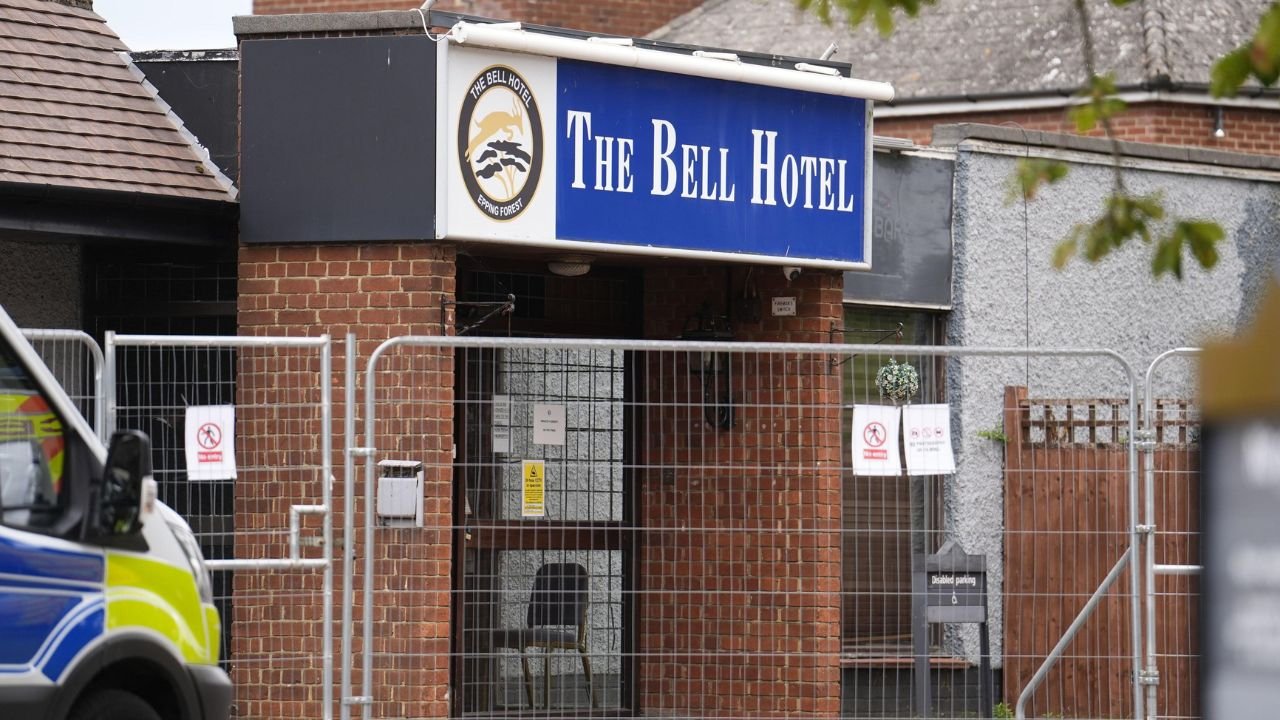
The government’s efforts to shut down migrant accommodation hotels are facing growing delays as a sharp increase in legal appeals blocks planned closures. Officials had promised to reduce the use of hotels for housing asylum seekers and migrants, arguing that the system is too expensive and unsustainable. However, a surge in court challenges and judicial reviews has slowed down the process, keeping many facilities open far longer than expected.
The rise in legal appeals preventing closure of migrant hotels has become a major issue in immigration policy debates. While authorities aim to move migrants into alternative housing or return them to their countries of origin, legal protections allow individuals to challenge decisions that affect their status and living arrangements. As a result, hotel contracts continue, and costs remain high for taxpayers.
Why Migrant Hotels Were Set to Close
Government Plans to Reduce Hotel Use
In recent years, hotels have been widely used as temporary accommodation for migrants and asylum seekers awaiting decisions on their applications. The government argued that this was meant to be a short-term solution during periods of high arrivals.
Officials announced plans to reduce reliance on hotels by:
- Speeding up asylum application processing
- Expanding alternative housing facilities
- Increasing returns for those without legal status
- Tightening border and immigration controls
The goal was to cut down on the rising migrant accommodation costs and ease pressure on local communities.
Financial Pressure on the Public Budget
The cost of housing migrants in hotels has been significant. According to official estimates, the daily expense per room has placed heavy strain on public finances. With thousands of individuals accommodated in hotels, total annual spending has reached billions.
Reducing the number of migrant hotels was seen as a necessary step to control immigration accommodation spending and restore confidence in the system.
Surge in Legal Appeals Slows Closures
Increase in Judicial Reviews
One of the key reasons behind the delay in closing migrant hotels is the growing number of judicial reviews filed by migrants and advocacy groups. When the government attempts to move individuals or change accommodation arrangements, affected parties often challenge the decision in court.
Legal appeals may argue that:
- The individual faces danger if returned home
- The asylum claim was not properly reviewed
- Human rights obligations have not been met
- Relocation would cause harm or hardship
These cases must be examined by courts, which takes time and prevents immediate closures.
Backlog in Immigration Courts
The immigration court system is already dealing with a large backlog of asylum cases. As new appeals are submitted, hearings are scheduled months or even years ahead. This backlog significantly contributes to the delay in migrant hotel closures due to pending legal cases.
While appeals are under review, migrants are legally entitled to remain in their current accommodation, including hotels.
Legal Rights and Protections
Human Rights Considerations
Under international and domestic law, asylum seekers have the right to challenge decisions affecting their status. Courts assess whether deportation or relocation would violate human rights protections.
For example, appeals often reference:
- Risk of persecution
- Threat of violence
- Lack of access to fair legal processes in the home country
These protections are designed to ensure fairness, but they also slow administrative actions.
Right to Accommodation During Appeal
During an active appeal, migrants typically retain the right to housing support. This means that hotels cannot be closed if individuals still have unresolved legal claims tied to those facilities.
As long as the legal appeal preventing migrant hotel closure remains active, authorities cannot forcibly remove residents.
Impact on Government Policy
Delayed Policy Implementation
The government’s pledge to reduce the number of migrant hotels has been harder to fulfill than expected. Each successful appeal or pending judicial review extends the timeline for closure.
This has political implications, particularly when immigration is a central policy issue. Critics argue that the rise in asylum seeker legal appeals highlights weaknesses in immigration enforcement, while supporters say it demonstrates the importance of due process.
Pressure to Reform the System
In response, policymakers are considering reforms aimed at:
- Speeding up asylum case processing
- Increasing court capacity
- Introducing stricter appeal criteria
- Expanding safe third-country agreements
However, any reform must balance efficiency with legal fairness.
Community Concerns and Local Impact
Strain on Local Services
Communities hosting migrant hotels have reported pressure on public services, including healthcare, schooling, and policing. Local authorities often claim that funding does not always match the increased demand.
At the same time, some areas benefit economically from hotel contracts that support local jobs and businesses.
Public Debate Over Immigration Accommodation
The continued operation of migrant hotels has fueled debate. Some residents support humanitarian accommodation efforts, while others argue that long-term hotel use is not sustainable.
The ongoing legal appeals preventing closure of migrant hotels keep this issue at the forefront of national discussions.
Financial Overview
Below is a summary table outlining the key factors influencing the situation.
Key Factors Affecting Migrant Hotel Closures
| Factor | Impact | Current Status |
|---|---|---|
| Legal Appeals | Prevent immediate removal or relocation | Rising number of cases |
| Immigration Court Backlog | Delays hearings and decisions | Significant backlog |
| Human Rights Claims | Require detailed review | Frequently cited |
| Government Closure Plans | Aim to reduce costs | Facing delays |
| Public Spending | Billions allocated annually | Under pressure |
This combination of legal, administrative, and financial factors explains why the migrant hotel closure delays continue.
Long-Term Outlook
Will Hotels Eventually Close?
Officials maintain that the use of hotels is temporary. They argue that once asylum case backlogs are cleared and legal appeals are resolved, closures will accelerate.
However, the pace of resolution depends on court capacity and legislative changes.
Possible Policy Adjustments
Future measures may include:
- Expanding processing centers
- Increasing staffing in immigration tribunals
- Negotiating additional return agreements
- Strengthening border controls
Any policy aimed at reducing migrant hotel costs amid rising legal appeals must carefully consider legal safeguards.
Broader Immigration System Challenges
The issue reflects broader systemic challenges in immigration management. High application volumes, legal complexity, and international obligations intersect in ways that slow rapid policy shifts.
The surge in legal appeals preventing migrant accommodation shutdown demonstrates the tension between administrative efficiency and human rights protections.