


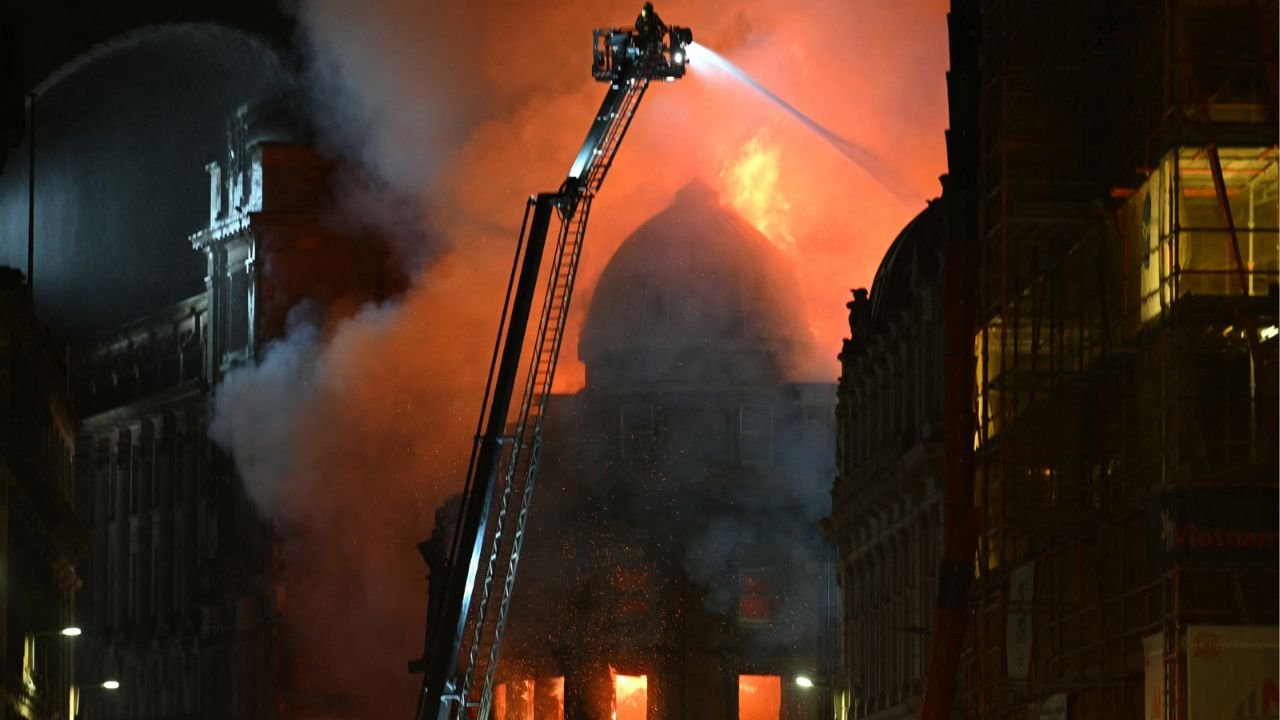
Glasgow is known for its striking Victorian architecture, red sandstone tenements, grand warehouses, and iconic structures designed by legends like Charles Rennie Mackintosh. Yet in recent years, a troubling pattern has emerged. Fires have repeatedly damaged or destroyed some of the city’s most historic buildings. This has raised urgent questions among residents, historians, and local authorities. Why do fires keep breaking out in Glasgow’s historic buildings? What factors are putting these heritage properties at risk? And what can be done to protect Glasgow’s architectural legacy?
The Significance of Glasgow’s Historic Architecture
A City Built During the Industrial Boom
Glasgow experienced rapid growth during the 19th and early 20th centuries. The city became a global hub for shipbuilding, engineering, and trade. As wealth increased, so did construction. Impressive public halls, schools, churches, warehouses, and residential tenements were built using traditional materials such as timber beams, sandstone, and slate.
Many of these historic buildings in Glasgow are now over 100 years old. While they add character and cultural identity to the city, they also come with structural vulnerabilities that increase fire risk.
Cultural and Economic Value
Historic structures attract tourists, support local businesses, and serve as creative spaces for artists and entrepreneurs. The destruction of even one landmark can result in cultural loss, economic setbacks, and emotional impact on the community.
Why Do Fires Keep Breaking Out in Glasgow’s Historic Buildings?
There is no single cause behind repeated fires in Glasgow’s heritage buildings. Instead, several interconnected factors contribute to this ongoing issue.
Aging Infrastructure and Outdated Electrical Systems
Older buildings were not designed for modern electrical demands. Many have wiring systems that date back decades. Faulty wiring, overloaded circuits, and outdated fuse boxes can spark electrical fires. Even when partial upgrades are made, hidden risks may remain behind walls and ceilings.
Timber structures inside these properties also make them highly combustible. Once a fire begins, it can spread rapidly through wooden beams and internal voids.
Vacant and Derelict Properties
A major contributor to fires in historic Glasgow buildings is vacancy. Empty buildings are more vulnerable to vandalism, illegal entry, and deliberate fire-setting.
When properties sit unused for years due to ownership disputes or redevelopment delays, they often lack proper security and maintenance. Broken windows, unsecured doors, and accumulated debris create ideal conditions for accidental or intentional fires.
Deliberate Fire-Setting and Vandalism
In some cases, fires have been linked to arson. Derelict heritage buildings sometimes become targets for deliberate fire-setting. Motivations may vary from vandalism to insurance fraud, though each incident requires investigation.
Vacant structures without active monitoring are particularly exposed to such risks.
Renovation and Construction Work
Another factor behind repeated fires in Glasgow’s historic buildings is renovation activity. Restoration projects can unintentionally increase fire hazards. The use of welding tools, heat equipment, or temporary electrical setups can spark accidental blazes.
When fire safety protocols are not strictly followed, the risk increases significantly.
Limited Fire Suppression Systems
Many historic buildings were constructed long before modern fire safety regulations were introduced. They may lack sprinkler systems, advanced smoke detectors, and compartmentalization features that prevent fire spread.
Installing modern fire suppression systems in listed buildings can be complex and expensive. Preservation guidelines sometimes restrict structural changes, making upgrades challenging.
Common Risk Factors in Glasgow’s Heritage Buildings
The table below summarizes key reasons behind the repeated outbreak of fires in Glasgow’s historic properties:
| Risk Factor | Description | Impact on Fire Risk |
|---|---|---|
| Aging Electrical Systems | Outdated wiring and overloaded circuits | High |
| Timber Construction | Wooden beams and interiors | Very High |
| Vacant Properties | Lack of security and maintenance | High |
| Arson and Vandalism | Deliberate fire-setting incidents | High |
| Renovation Hazards | Construction-related sparks and heat | Moderate to High |
| Lack of Sprinklers | Absence of modern suppression systems | High |
Challenges in Protecting Historic Buildings
Balancing Preservation with Modern Safety
Glasgow has many listed buildings protected under heritage laws. While these regulations preserve original features, they can also limit structural modifications.
Installing fire-resistant materials, advanced alarm systems, or sprinkler networks must often comply with strict conservation guidelines. This makes the process time-consuming and costly.
Funding Constraints
Maintaining large historic properties requires substantial financial investment. Private owners may struggle to fund necessary repairs. Local authorities also face budget pressures when dealing with abandoned sites.
Without consistent funding, maintenance is delayed, and fire risks increase over time.
Weather and Environmental Factors
Scotland’s damp climate can weaken building materials. Water ingress damages timber, corrodes wiring, and creates structural weaknesses. Over time, compromised structures become more susceptible to fire incidents.
The Impact of Repeated Fires on Glasgow
Loss of Architectural Heritage
Each fire that damages a historic building erases a piece of Glasgow’s history. Architectural details that took decades to craft can be lost within hours.
Economic Consequences
Historic landmarks often serve as commercial spaces, event venues, or tourist attractions. Fire damage disrupts business activity, leading to financial losses for property owners and the wider community.
Public Safety Concerns
When buildings collapse or burn, surrounding areas can be affected. Falling debris, road closures, and smoke hazards put residents and emergency responders at risk.
What Can Be Done to Prevent Future Fires?
Improved Monitoring of Vacant Buildings
Authorities can reduce risk by monitoring empty properties more closely. Regular inspections, secure fencing, and surveillance systems can deter vandalism and unauthorized access.
Modernizing Electrical Infrastructure
Upgrading wiring systems and conducting safety audits in older properties is essential. Preventive maintenance significantly lowers the chance of electrical fires in historic Glasgow buildings.
Fire Safety Education and Awareness
Public awareness campaigns about the risks facing heritage properties can encourage responsible behavior and community reporting of suspicious activity.
Enhanced Fire Protection Technology
Advances in fire suppression systems now allow discreet installation in listed buildings. Water mist systems and wireless fire alarms can provide protection without compromising architectural integrity.
Stronger Enforcement and Planning Controls
Local authorities can take action against negligent property owners who allow buildings to deteriorate. Stricter penalties for vandalism and arson may also deter deliberate incidents.
Long-Term Preservation Strategies
Collaborative Efforts
Protecting Glasgow’s architectural heritage requires cooperation between city councils, property owners, conservation groups, and fire services. Joint initiatives can identify high-risk properties and prioritize them for safety upgrades.
Incentives for Restoration
Financial grants and tax incentives may encourage owners to restore and actively use historic buildings rather than leaving them vacant.
Community Involvement
Residents play a vital role in safeguarding heritage sites. Reporting signs of deterioration or suspicious activity can prevent potential disasters.
The Role of Fire Services in Glasgow
Firefighters in Glasgow are trained to handle complex building structures. However, heritage properties present unique challenges such as narrow staircases, hidden voids, and fragile materials.
Emergency services continue to adapt strategies to manage these high-risk scenarios while minimizing damage.