
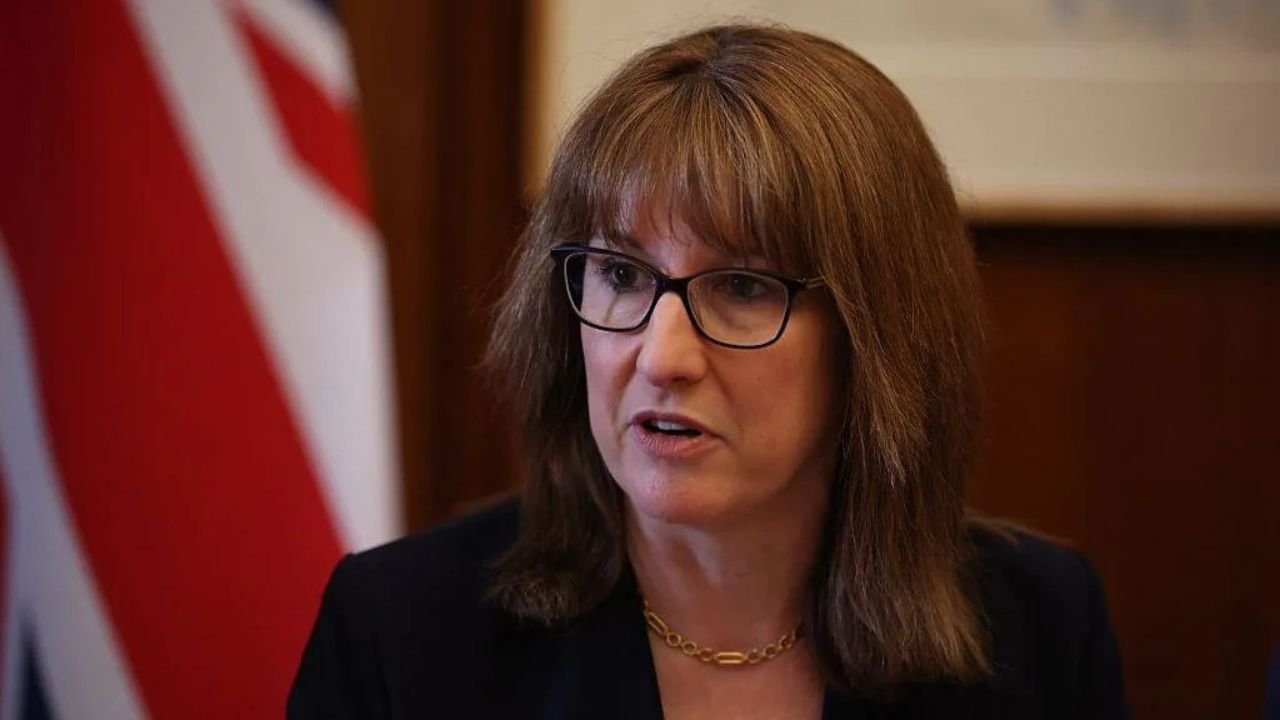
The UK government has stepped forward with fresh assurances as households across the country face mounting pressure from rising heating oil prices. With global energy markets experiencing volatility and colder months driving up demand, the Chancellor has outlined new measures designed to protect families who rely on off-grid fuel sources.
Millions of homes, particularly in rural areas, depend on heating oil instead of mains gas. As prices fluctuate due to global supply disruptions, geopolitical tensions, and increased seasonal demand, many households are struggling to manage higher energy bills. The Chancellor’s latest announcement aims to address these concerns through targeted financial assistance and expanded support schemes.
Why Heating Oil Prices Are Rising
Global Energy Market Volatility
Heating oil prices are directly linked to global crude oil markets. When crude oil prices increase due to international conflicts, production cuts, or supply chain disruptions, domestic heating oil costs also rise.
Recent instability in global markets has placed upward pressure on wholesale fuel costs. Combined with currency fluctuations and transportation expenses, this has translated into higher retail prices for UK consumers.
Seasonal Demand and Winter Pressure
As temperatures drop, demand for heating oil spikes. Suppliers often face supply bottlenecks during peak winter months, leading to price surges. Rural communities, where homes are not connected to the gas grid, are particularly vulnerable.
Impact on Off-Grid Households
Around 1.5 million UK households rely on heating oil. These homes are often located in rural England, Scotland, Wales, and Northern Ireland. Unlike gas customers who may benefit from price caps, heating oil users are exposed to market-driven rates.
Details of the Chancellor’s Heating Oil Support Package
The Chancellor has announced a targeted financial assistance plan aimed at easing the cost burden for off-grid households.
Key Features of the Support Scheme
The government’s response focuses on direct financial relief, improved supplier monitoring, and extended cost-of-living support.
Below is a detailed overview:
| Measure | Details |
|---|---|
| Direct Payment | One-off support payment for eligible off-grid households |
| Eligibility | Households using heating oil or alternative fuels |
| Payment Method | Direct bank transfer or energy supplier credit |
| Timeline | Payments expected during peak winter months |
| Additional Measures | Monitoring fuel suppliers to prevent unfair pricing |
The aim is to ensure vulnerable households receive timely assistance before winter costs peak further.
Who Is Eligible for Heating Oil Support
Off-Grid Households
To qualify for the heating oil support payment, households must rely primarily on heating oil, LPG, or alternative fuels and not be connected to the mains gas grid.
Low-Income and Vulnerable Groups
Priority is expected to be given to:
- Pensioners receiving state support
- Low-income families on Universal Credit
- Disabled individuals receiving qualifying benefits
- Rural households facing energy poverty
Eligibility may be assessed automatically based on existing benefit records, reducing the need for new applications.
Rural Communities Most Affected
Regions with higher concentrations of off-grid homes are expected to benefit the most. These include parts of:
- Northern Ireland
- Scottish Highlands
- Rural Wales
- South West England
The government has acknowledged that rural energy inequality remains a pressing issue.
How the Payment Will Be Distributed
Automatic Direct Payments
For households already registered under government benefit schemes, payments are expected to be made automatically via direct deposit.
Supplier Credits
In some cases, support may be applied as credit through registered fuel suppliers. This approach ensures assistance directly offsets heating oil purchase costs.
Expected Payment Timeline
The Chancellor indicated that payments will be rolled out during the winter heating season to provide maximum relief when energy demand is highest.
Households are advised to ensure their bank details and benefit records are up to date to avoid delays.
Broader Cost-of-Living Strategy
Integration with Existing Support
The heating oil support scheme forms part of a broader cost-of-living strategy. Recent measures have included:
- Energy bill support schemes
- Cost-of-living payments for low-income families
- Winter Fuel Payments for pensioners
- Household Support Fund extensions
By combining targeted heating oil support with wider financial aid, the government aims to cushion the impact of inflation on essential household expenses.
Monitoring Energy Market Practices
The Chancellor has also pledged closer monitoring of fuel suppliers to prevent price exploitation. Regulatory bodies will oversee pricing transparency and supply practices.
Long-Term Solutions for Energy Affordability
While short-term relief is essential, the government has highlighted the need for long-term structural changes.
Investment in Energy Efficiency
Improving home insulation and upgrading heating systems can reduce reliance on expensive fuels. Grants for insulation upgrades and boiler replacements are being expanded.
Renewable Alternatives
Households are encouraged to explore renewable heating options such as heat pumps and biomass systems. Government grants may help offset installation costs.
Rural Energy Infrastructure
Expanding gas grid connections and improving rural energy networks remain long-term policy goals, although implementation may take years.
Economic Implications
Inflation and Household Spending
Rising heating oil costs contribute to broader inflationary pressures. When households spend more on energy, disposable income declines, impacting retail and local economies.
The Chancellor emphasized that targeted intervention helps stabilise household budgets and reduce financial strain.
Fiscal Responsibility
While support packages require government spending, officials argue that protecting vulnerable households during energy crises prevents deeper economic hardship.
Balancing fiscal discipline with social protection remains central to Treasury policy.
Public Reaction and Political Context
The announcement comes amid growing public concern over energy affordability. Rural advocacy groups have long called for fairer treatment of off-grid households.
Opposition parties have urged the government to introduce permanent protections similar to gas price caps for heating oil users. The Chancellor acknowledged these concerns but stressed the complexity of regulating market-based fuels.
Practical Advice for Households
Compare Suppliers
Consumers should compare heating oil suppliers to secure competitive rates.
Bulk Buying and Community Schemes
Joining community bulk-buying groups can lower per-litre costs.
Monitor Government Updates
Households should stay informed through official government channels regarding eligibility confirmation and payment dates.
Future Outlook for Heating Oil Prices
Energy analysts suggest that heating oil prices may remain volatile depending on:
- Global crude oil production decisions
- Geopolitical developments
- Seasonal weather patterns
- Currency fluctuations
The government has indicated it will continue reviewing the situation and adjust support if necessary.